The honest answer is: it depends on six things, and any installer who quotes a number without asking about all six is guessing. Here's what those things are, what realistic ranges look like in Sydney in 2026, and what to push back on when a quote lands.
What drives the cost of a commercial CCTV system?
A commercial CCTV install isn't a single product, it's a system. The big variables that move the price up or down are:
- Number of cameras. The single biggest driver. A small office might run six cameras; a 50-door warehouse easily runs sixty.
- Resolution and analytics. 1080p HD is now the floor; 4K is common for outdoor, perimeter, and licence-plate work; thermal and AI-enabled cameras cost more but reduce false alarms and headcount.
- Storage retention. 30 days is the typical default, but compliance-driven sectors (pharma, finance, government, licensed venues) often need 60 or 90 days. Storage scales with both retention and resolution : doubling either roughly doubles the cost of the NVR.
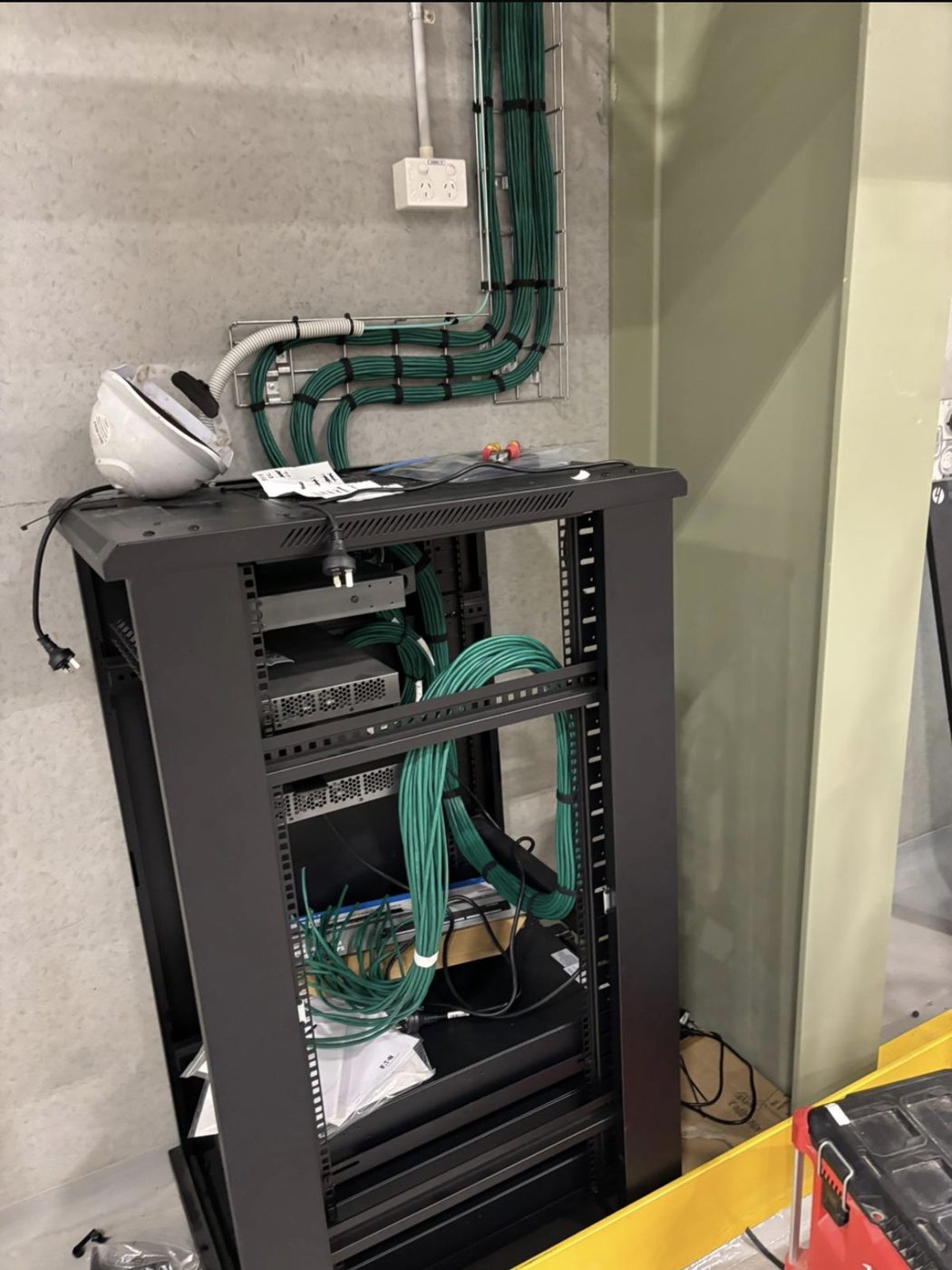
- Cabling and infrastructure. Running cable through an occupied site : especially through ceilings, conduits, and across multiple floors : is often the most labour-intensive part of the job. A new fit-out is cheaper to wire than a 1990s building.
- Integration. Tying CCTV to access control, point-of-sale data, alarm panels, or remote monitoring adds value but adds cost too.
- Ongoing service. The kit and the install are a one-off number; the maintenance plan, monitoring contract, and remote diagnostics are recurring : and arguably more important to budget for than the install itself.
Realistic price ranges by site type (Sydney 2026)
These are honest, broad ranges based on the kind of jobs we've been quoting in 2026. Every site is different and we always provide a fixed price after walking the site : but if you're building a budget, these are the brackets to work with.
Small office (4 to 8 cameras)
HD cameras covering entry, reception, common areas. On-site NVR with 30-day retention. Optional remote viewing on phone. Installation typically completes in 1 to 2 days.
Install: $5,000 to $12,000
Annual service: $800 to $2,000
Medium retail or hospitality (10 to 25 cameras)
HD/4K cameras with point-of-sale tie-in for licensed venues. NVR with 30 to 60 day retention to satisfy OLGR conditions. Often integrated with intruder alarm. Installation typically 3 to 5 days.
Install: $15,000 to $40,000
Annual service: $2,400 to $6,000
Warehouse, logistics, or industrial (40 to 100+ cameras)
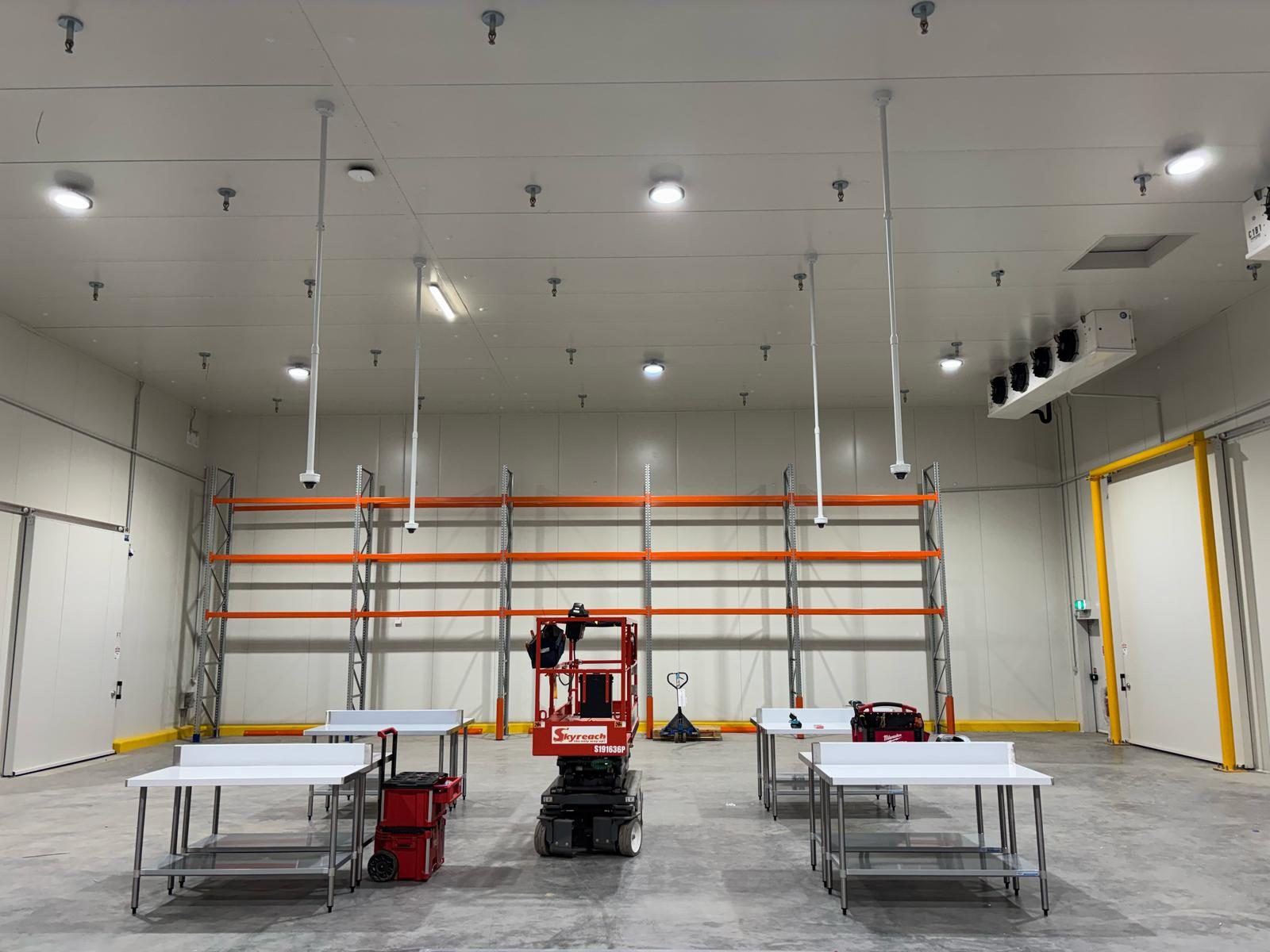
Mix of HD interior + 4K outdoor + thermal perimeter cameras. Hybrid NVR with 60 to 90 day retention. AI analytics tuned for site-specific events (vehicles stopped, persons crossing perimeter). Often integrated with multi-door access control. Installation runs 2 to 6 weeks depending on site size and operating-hours constraints.
Install: $40,000 to $150,000+
Annual service: $5,000 to $15,000
Multi-site corporate or compliance-grade (200+ cameras)
Enterprise platforms (Genetec, Avigilon, Lenel) with central monitoring, integrated access control, AI analytics, and 90+ day retention. National rollouts running on a single platform. Installation runs in stages, often over months.
Install: $150,000 to $500,000+
Annual service: $15,000+
Bracket-buster items. A few things that can push a quote out of these ranges quickly: heritage buildings (cabling restrictions), multi-tenant CBD towers (base-building integration fees), explosion-proof environments (specialist cameras), and 24/7 operating sites that need work scheduled around shifts.
How a CCTV quote typically breaks down
Most installers don't itemise their quotes the same way, but the underlying line items are similar. If you're comparing quotes, ask each installer to break their number into roughly these buckets so you're comparing like with like.
| Line item | Typical share of total install cost |
|---|---|
| Cameras and lenses | 25 to 40% |
| NVR / storage / network kit | 15 to 25% |
| Cabling and infrastructure | 15 to 30% |
| Software, licences, AI analytics | 5 to 15% |
| Labour: install + commissioning | 20 to 30% |
The shares vary by site. New fit-outs lean cheaper on cabling. Retrofits in old buildings can flip cabling to 40% of the total. Heavily AI-instrumented sites push the software share up.
What you should be asking before signing the quote
A list of questions that separate a good installer from a cheap one:
- Have you walked our site, or are you quoting from photos? Quotes from photos miss things and almost always need revision after install. Insist on a site walk.
- What's your warranty on workmanship and equipment? Standard is 12 months on workmanship and the manufacturer's warranty on kit (typically 2 to 5 years). Be wary of anything shorter.
- What ongoing service do we need, and what does it cost? The install number is often the smaller part of total cost over five years. Insist on the ongoing service number upfront.
- Can we expand the system without replacing the head-end? A platform that locks you into ripping out and replacing in five years is a bad bet for any commercial site that's likely to grow.
- What documentation do we get at handover? As-built drawings, kit list with serials, configuration backups, admin passwords, manuals. If a quote doesn't mention this, ask.
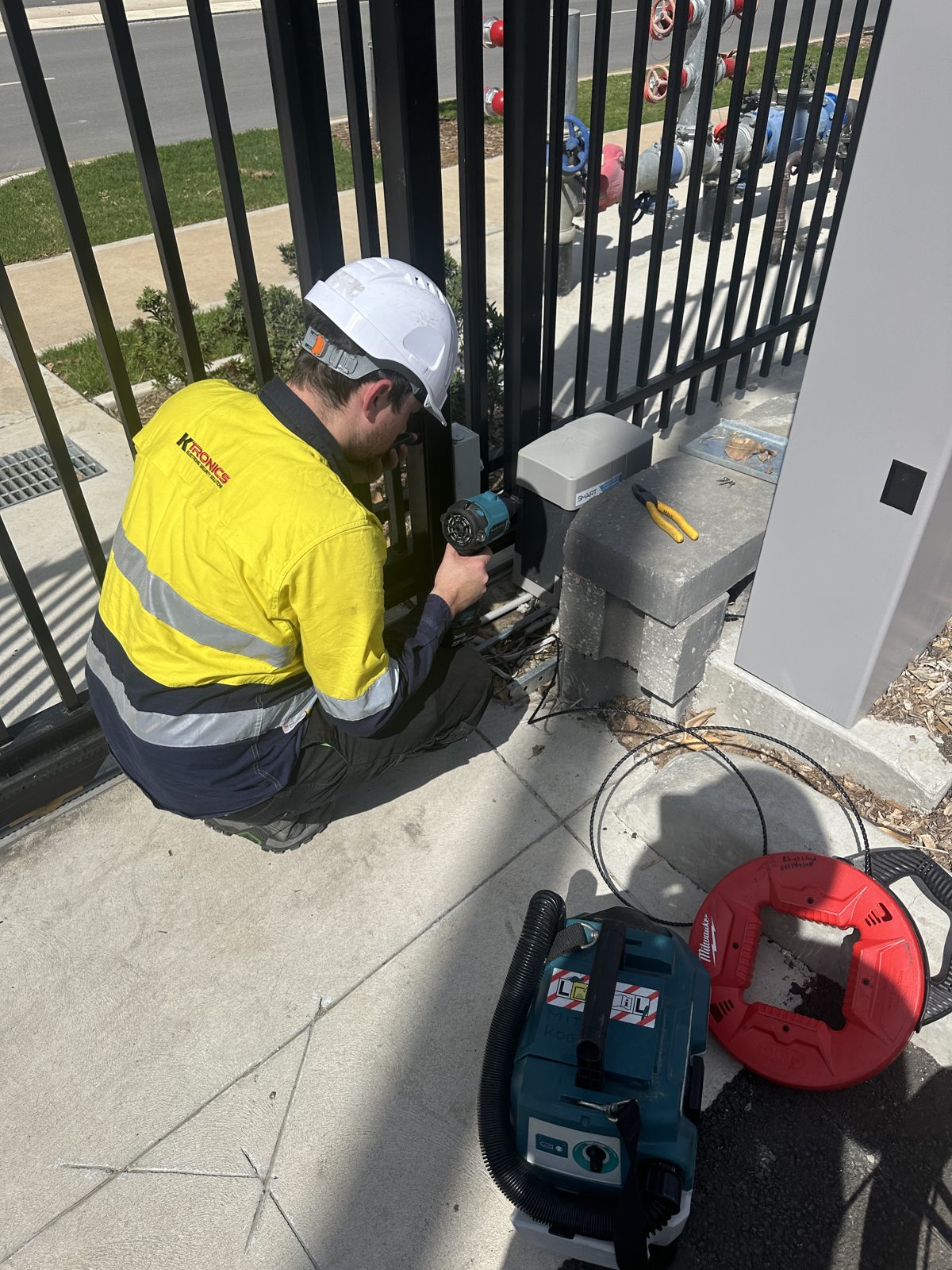
- Who installs it : you, or a sub-contractor? Installers who use sub-contractors aren't inherently bad, but know who's actually going to be on your site, and whether they'll be there for the lifetime of the system.
The bottom line
Commercial CCTV in Sydney in 2026 is not as expensive as buyers often fear, and not as cheap as the price-leader quotes suggest. A small office sits in low five figures; a serious warehouse or multi-site rollout sits in mid five to mid six figures. The most important number isn't the install number : it's the total cost of ownership over five to ten years, including maintenance, monitoring, and the lifecycle upgrade you'll inevitably need somewhere around year eight.
If you want a fixed-price walk-through quote on your site, get in touch. We'll tell you within one business day whether it's a job we can scope and roughly what bracket it sits in before you commit to anything.